100 years of Area history. A history that moves.
How the area has developed in 100 years of innovation and change from a courageous Leica founding site to an international high-tech cluster for the precision industry and photonics - and what the future holds for the important business location of the Rhine Valley. Worth reading!
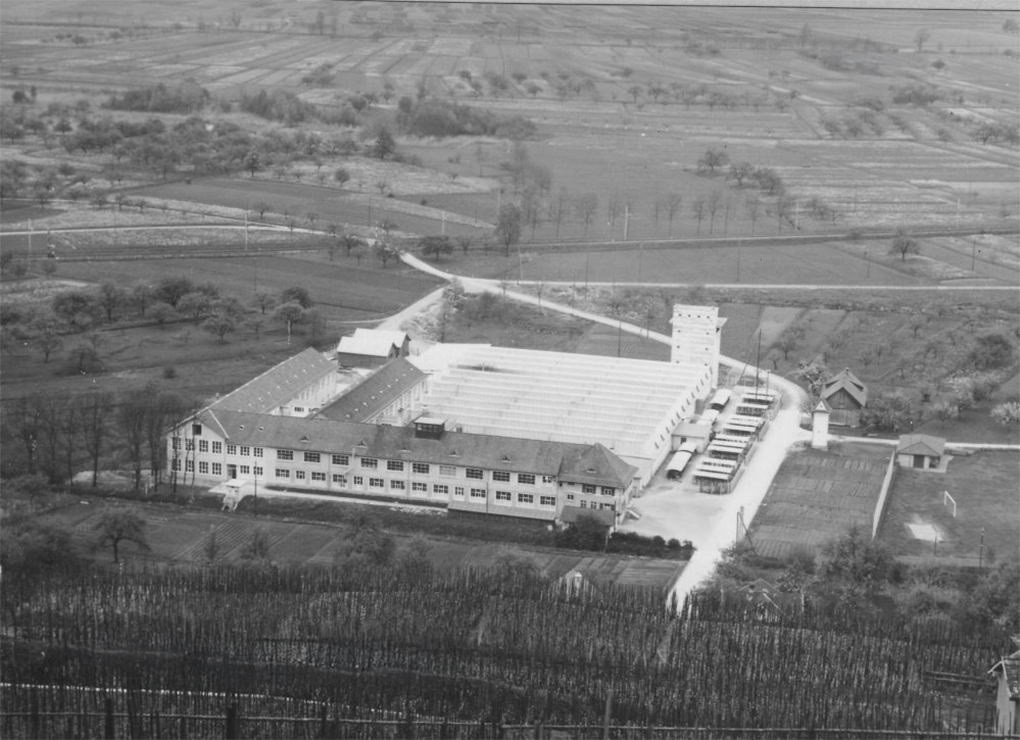
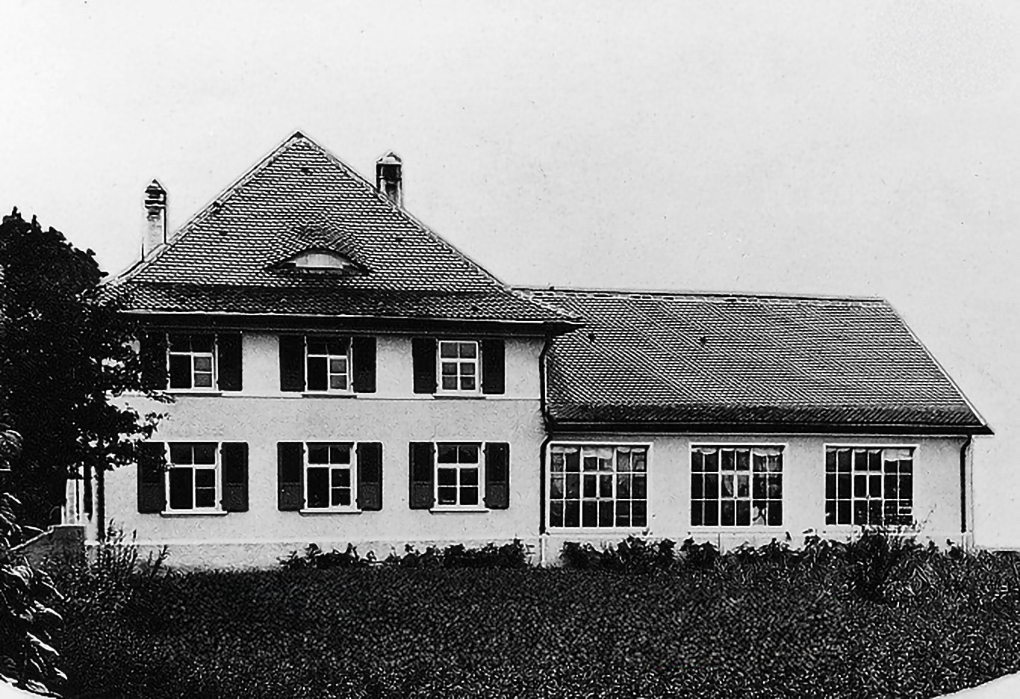
On 26 April 1921, “Heinrich Wild, Werkstätte für Feinmechanik und Optik” was founded in Heerbrugg. This day marked the beginning of an impressive success story: from the founding site of Leica Geosystems, the area developed into a leading international high-tech cluster with a promising future. From its early pioneering days to its current position as a globally important location for precision optics, the site has always been a place of progress and innovation. Heinrich Wild, the visionary inventor, Jacob Schmidheiny, the financier, and Robert Helbling, the user, together laid the foundations for this development. Their innovative spirit and courage shaped the site and made it a centre for pioneering solutions at an early stage.
An exciting transformation over the decades
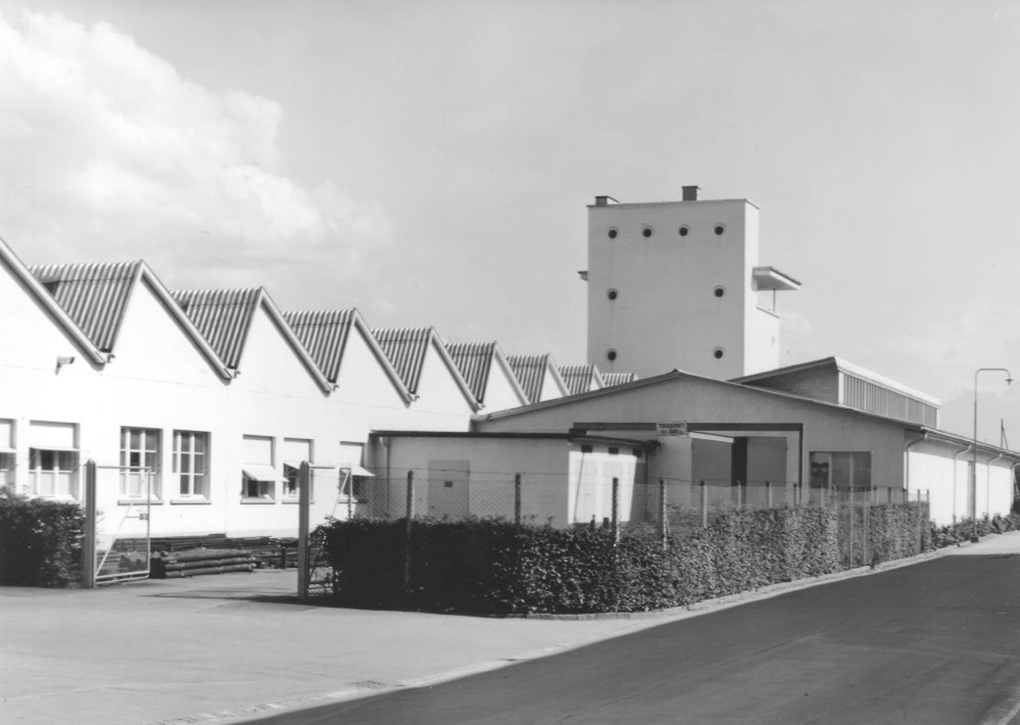
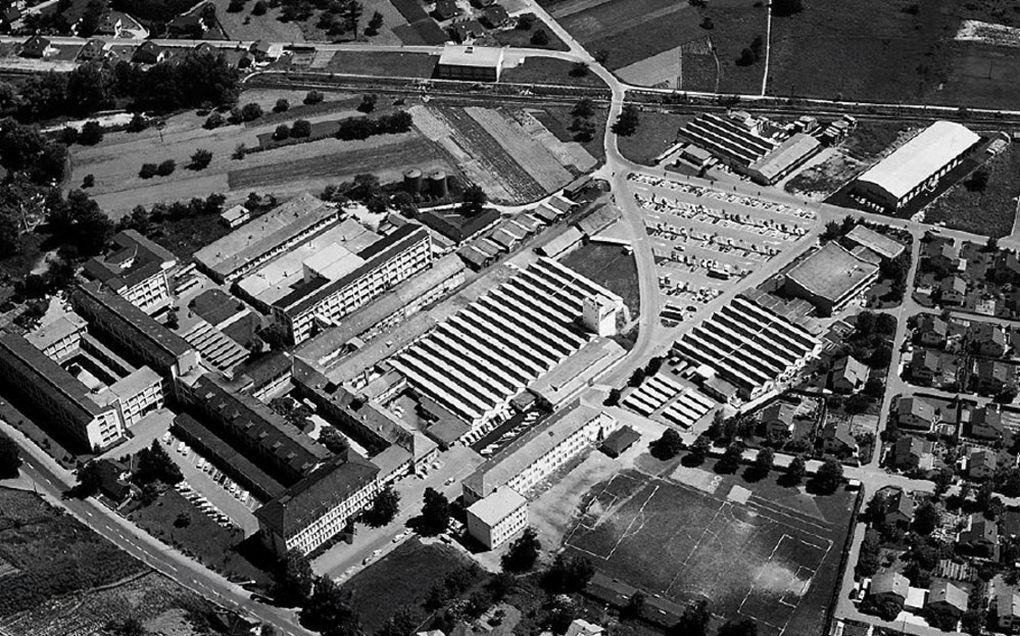
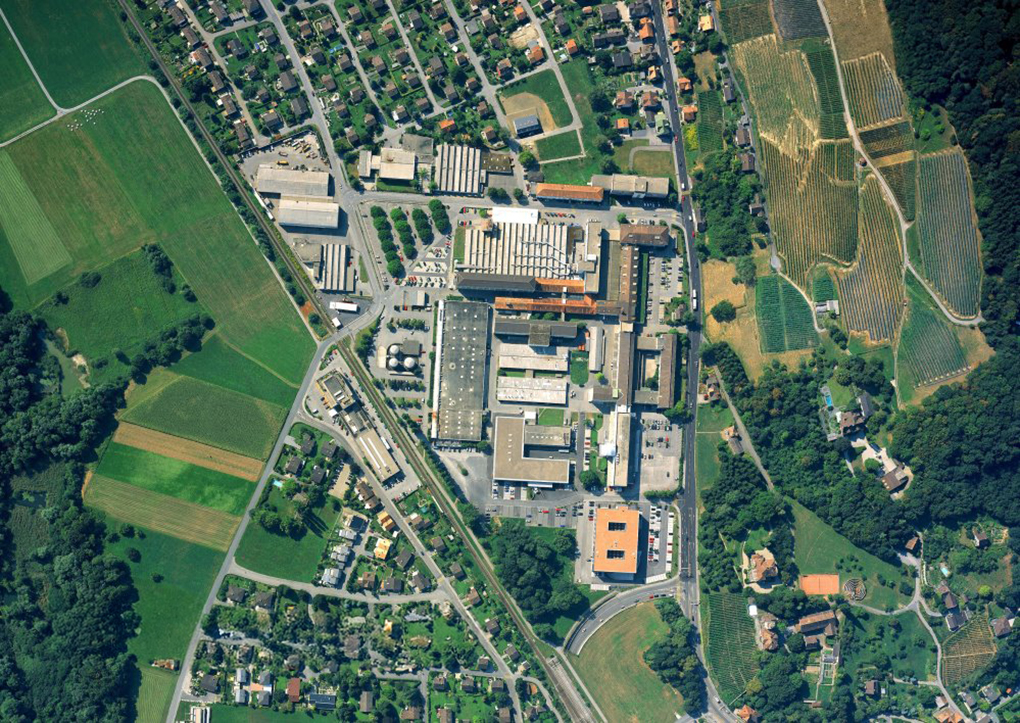
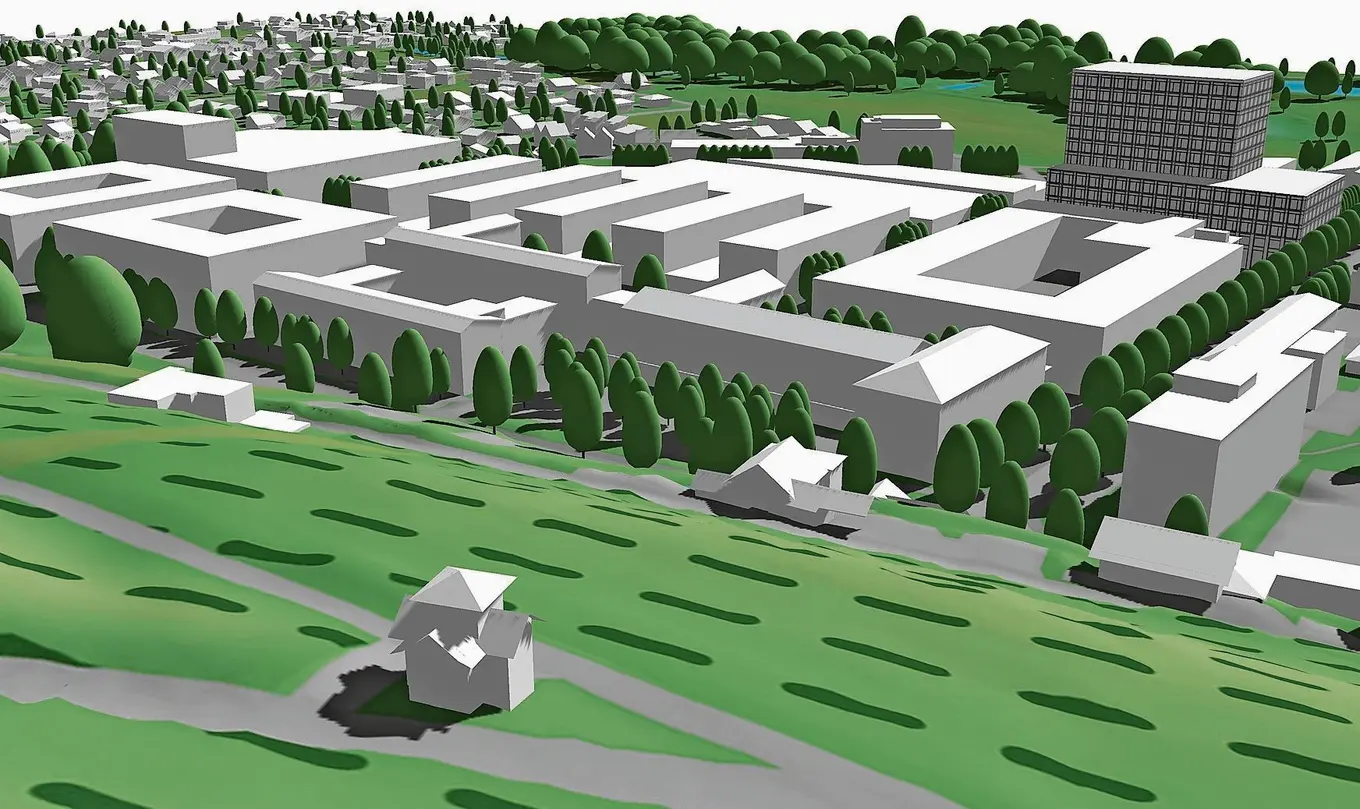
The site continued to grow until the 1960s. But over the years, a change began: historic buildings gave way to modern new buildings, such as the founding building from 1921, which was replaced and extended by the new Geomatics building in 1975. Increasing specialisation and globalisation as well as various sales and takeovers led to the creation of a unique high-tech cluster. Today, it brings together a number of leading companies in the field of geomatics and software development. With the additions of Swissoptic (2007), Vectronix and Leica Geosystems, the site’s potential has been fully utilised – a sign of its success, but also of the urgent need for new developments.
The future of the site – a generational project
The challenges facing the site are manifold: some of the buildings are in need of renovation and the limited space available is hampering the competitiveness of the local companies. In cooperation with the municipality of Balgach and the canton’s Office for Economy and Labour, the owners – in close dialogue with the companies – drew up a development strategy for the site. The size of the industrial area called for a special utilisation plan that defines the future size and location of the buildings on the site as well as the access axes and open spaces. The plan is for high-quality internal development that not only expands capacity, but also preserves the historical and architectural qualities. The new, modern and sustainable site should continue to be a driver of innovation and strengthen the competitiveness and attractiveness of the entire region in the long term.
An area with a signalling effect
The Wild Heerbrugg Areal is a prime example of the innovative strength and quality of Switzerland as a centre of industry. The site development opens up a new chapter for the location. The generational project is a commitment to the location. A symbol of progress and tradition in a place where the successful “yesterday” provides the best conditions for an attractive “tomorrow”. Here’s to the future! With a bold promise – and a new and old name: Wild Heerbrugg Areal.